Louisiana is a melting pot of traditions, where cultures blend to create a rich tapestry of flavors, stories, and ways of life. Two of the prominent identities in Louisiana are Cajun and Creole. While these terms are often used interchangeably, they represent distinct peoples, cultures, histories, and cuisines. They are not the only two cultures that make Louisiana great though.
The People: Origins and Evolution
Cajun
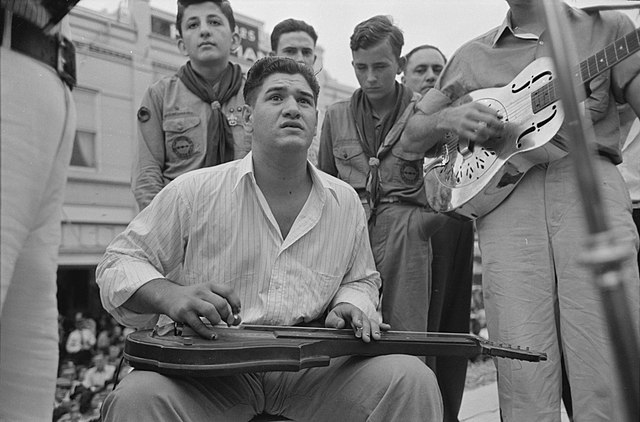
The Cajun people trace their roots to French-speaking settlers from Acadia, a region in modern-day Canada. In the mid-18th century, these settlers were forcibly expelled by the British during the Great Upheaval. They made their way to Louisiana, which was under French control at the time, and settled in the rural areas and bayous. Over time, Cajuns adapted to the local environment, blending their French heritage with influences from Native American, African, Spanish, and German cultures.
Cajuns are often characterized by their tight-knit communities, deeply rooted in rural traditions, and a distinct dialect of French that has survived despite centuries of outside influence. Today, Cajun culture thrives in southwestern Louisiana, where music, food, and festivals like the Crawfish Festival are central to life.
Creole
Creole identity is more complex and varied, encompassing a mix of European, African, Caribbean, and Native American ancestries. Originally, the term “Creole” referred to people born in Louisiana of European descent during the colonial period. Over time, it expanded to include people of mixed heritage, especially those of African descent who lived in urban centers like New Orleans.
Creole culture is cosmopolitan, heavily influenced by French and Spanish colonial powers, as well as the African diaspora. This diversity is reflected in their traditions, language, and art. Unlike the rural Cajuns, Creoles were typically urban dwellers and were integral to the development of New Orleans as a cultural hub.
The Food: Distinctive Cuisines
Food is perhaps the most recognizable distinction between Cajun and Creole culture. Both cuisines are rooted in French traditions but have evolved in different directions due to geographic, cultural, and historical influences.
Cajun Cuisine

Cajun cooking is rustic, hearty, and deeply connected to the land. Known as a “freezer-to-pot” cuisine, it emphasizes resourcefulness and making use of what is locally available. Cajun dishes are typically prepared with a trio of ingredients known as the “holy trinity”—onion, bell pepper, and celery—which form the base of many recipes.
Key Cajun dishes include:
- Gumbo: A thick stew made with meat or seafood, thickened with roux (light colored characteristics), and often served over rice.
- Jambalaya: A one-pot dish of rice, meat, and vegetables, spiced with Cajun seasoning.
- Boudin: A type of sausage made with pork, rice, and spices.
- Etouffée: A smothered dish, often featuring crawfish or shrimp, served over rice.
Cajun food is characterized by its bold flavors, but it’s not always as spicy as people assume. Instead, the focus is on layering flavors through slow cooking and the use of fresh, local ingredients.
Creole Cuisine
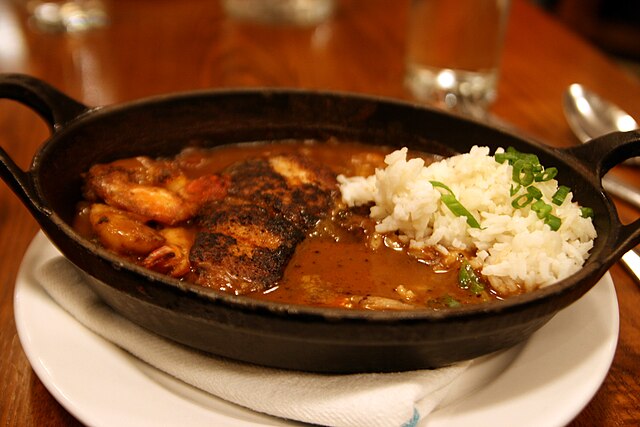
Creole cuisine, on the other hand, is more refined and influenced by the diverse cultural mix of New Orleans. It incorporates a wider variety of ingredients, including tomatoes, which are rarely used in Cajun cooking. Creole dishes are often considered “city food,” featuring complex techniques and presentation.
Signature Creole dishes include:
- Gumbo: Similar to Cajun gumbo (dark colored characteristics) but often includes tomatoes and seafood.
- Shrimp Creole: A tomato-based dish with shrimp, served over rice.
- Red Beans and Rice: A slow-cooked dish of beans, sausage, and spices, traditionally served on Mondays.
- Beignets: Deep-fried dough pastries, dusted with powdered sugar, often enjoyed with coffee.
Creole food reflects the influence of French chefs who brought classic culinary techniques to Louisiana, as well as African and Caribbean spices that add depth and flavor.
The Culture: Music, Language, and Festivals
Cajun Culture
Music is an integral part of Cajun culture, with lively genres like Cajun and zydeco defining the region’s soundscape. Cajun music is sung in French and features instruments such as the accordion, fiddle, and triangle. Zydeco, influenced by African American rhythms, incorporates washboards and modern elements like electric guitars.
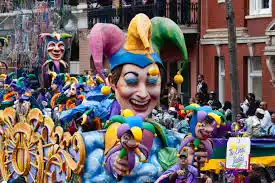
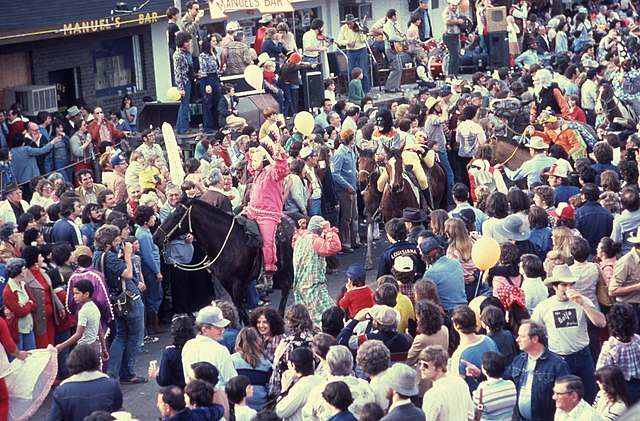
Cajun culture also places a strong emphasis on community gatherings. Fais do-do (dance parties), Mardi Gras parades in small towns, and family reunions are central to Cajun life. The Cajun language, a unique dialect of French, is still spoken by many and serves as a cultural touchstone.
Creole Culture
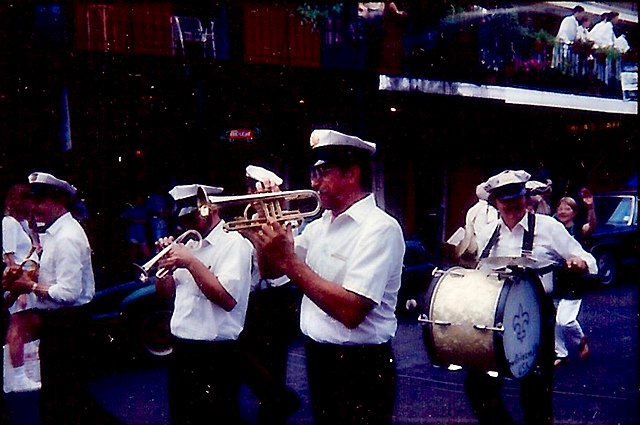
Creole culture is synonymous with the vibrant life of New Orleans. Jazz, which originated in the city, is one of its greatest contributions to global culture. Other musical styles, like R&B, funk, and brass band traditions, also trace their roots to Creole communities.
The Creole language is a blend of French, Spanish, and African influences, though it has largely been replaced by English in modern times. However, it still lives on in certain phrases and the music of the region.
Festivals like the New Orleans Jazz & Heritage Festival and the French Quarter Festival celebrate Creole culture’s diverse heritage. Creole architecture, such as shotgun houses and ornate balconies in the French Quarter, further reflects the sophistication and multicultural origins of this community.
The History: Shared Roots, Divergent Paths

Both Cajun and Creole histories are deeply intertwined with Louisiana’s colonial past, but they diverge in meaningful ways.
Cajun History
The Cajuns’ journey began in Acadia, where they lived as French settlers before being expelled by the British in 1755. Their arrival in Louisiana marked the start of a new chapter, where they adapted to life in the swamps and bayous. Despite hardships, Cajuns preserved their language, Catholic faith, and traditions, creating a distinct identity that endures today.
During the 20th century, Cajun culture faced challenges as assimilation policies discouraged the use of French. However, a cultural renaissance in the 1960s and 1970s, led by organizations like CODOFIL (Council for the Development of French in Louisiana), helped revive Cajun pride and language.
Creole History
Creole history is rooted in Louisiana’s colonial period, when French and Spanish settlers established the region’s plantation economy. Creoles of European descent were the original aristocracy, while Creoles of color, often free people, occupied a unique social position in New Orleans.
The Haitian Revolution and subsequent migration of Haitian refugees to Louisiana brought significant African and Caribbean influences to Creole culture. After the Louisiana Purchase in 1803, Creoles found themselves navigating a new American identity, which often clashed with their French and Spanish roots.
Today, Creole culture continues to thrive in New Orleans and beyond, with its legacy evident in the city’s art, music, and cuisine.
The Common Ground
Despite their differences, Cajun and Creole cultures share commonalities that unite them as quintessentially Louisianan. Both communities are fiercely proud of their heritage and known for their hospitality and joie de vivre. Food, music, and storytelling are central to their identities, creating a shared sense of celebration and resilience.
Louisiana’s unique geography—with its bayous, rivers, and fertile lands—has also shaped both cultures. The interplay between Cajun and Creole traditions has enriched the state, making it a destination unlike any other.
Understanding the distinctions between Cajun and Creole culture adds depth to our appreciation of Louisiana’s rich heritage. While Cajuns are rooted in the rural bayous and Creoles in the urban sophistication of New Orleans, both have contributed immeasurably to the state’s identity. Together with others, they represent the heart and soul of Louisiana—a place where history, culture, and cuisine come together in a celebration of life.