1811 Slave Revolt German Coast Uprising. The history of the 1811 events almost lost in history.
1811 Slave Revolt German Coast Uprising is Louisiana’s Forgotten Rebellion. It takes place in early January of 1811, a band of enslaved men armed themselves with cane knives, axes, and whatever they could gather, and launched what would become the largest slave rebellion in American history. They rose up not in Virginia or Georgia, but along the fertile banks of the Mississippi River in what was then known as the German Coast, an area populated by descendants of German and French-German immigrants, nestled just upriver from New Orleans.

The German Coast, despite its name, was not predominantly German by 1811. The land had passed through French and Spanish hands before becoming part of the young United States in 1803 via the Louisiana Purchase. Yet the name endured, a relic of the early 18th-century immigration wave when Germans settled in St. Charles and St. John the Baptist Parishes and began farming the land. By the early 19th century, the region was one of the richest sugar-producing corridors in North America. This agricultural honey pot was worked entirely by enslaved people.
The uprising was led by Charles Deslondes, a mixed-race slave driver on the Andry Plantation. Deslondes was literate, politically aware, and deeply connected within the enslaved community. Some historians argue that he may have been influenced by the Haitian Revolution, which had concluded just a few years prior in 1804. Whatever the direct inspiration, the uprising was no mere riot, it was an organized rebellion with clear goals: to march downriver, recruit more enslaved people, and seize New Orleans.

Over two days, the insurgents, estimated to be anywhere between 200 and 500 strong, marched some 20 miles along the east bank of the Mississippi. They torched plantation homes, killed a handful of whites, and took up arms with deadly seriousness. For a brief moment, they reversed the brutal social order of the sugar coast.
But they were met with swift and overwhelming force. Local militias, backed by U.S. troops and even naval support, intercepted the rebels near modern-day Norco. The fighting was short and brutal. Scores of insurgents were killed in combat. Others were captured, and within days, over 60 were tried and executed. Their heads were mounted on pikes along the River Road, a grim warning to any who might dare to challenge the system again.
The Executions and Aftermath: Justice or Terror?
In the immediate wake of the uprising, the response by Louisiana’s white authorities was brutal, swift, and unmistakably theatrical. While many of the insurgents were killed during the military engagement near Norco, it was what happened after the skirmish that turned the German Coast into a field of terror.
Over 60 captured rebels were put on trial in summary court-martials, often without any real defense or investigation. In makeshift tribunals held at plantations like Destrehan, witnesses were coerced, and outcomes were predetermined. Most were found guilty and sentenced to death within hours.
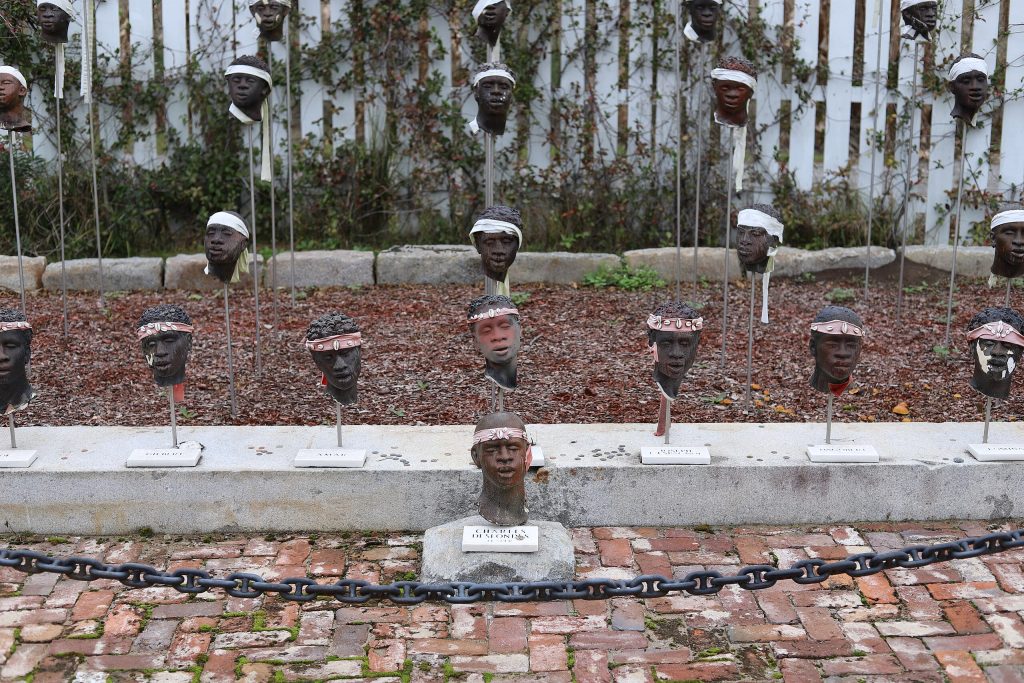
Executions were public and intentionally gruesome. Men were hanged, shot, and in some cases decapitated. Their severed heads were mounted on pikes and displayed along the River Road for over 60 miles from the rebellion’s epicenter to the edge of New Orleans. It was described that heads were rotting in the sun, lining the levee like a grim necklace of power. It was meant as a warning, a declaration: this land, this labor, and this hierarchy were not negotiable.
Repression, Paranoia, and Control: 1812 and Beyond
Rather than spark broader revolts, the uprising was followed by a wave of paranoia and repression. Louisiana’s white planter class, many of whom were French Creole aristocrats, had long feared a Haiti-style revolution. The uprising confirmed their worst fears and hardened their resolve.
The territorial legislature and local parishes passed stricter slave codes:
- Enslaved people could not congregate in groups without a white person present.
- Movement between plantations was tightly restricted.
- Punishments for any perceived insubordination became harsher and swifter.
In 1812, the year after the uprising, Louisiana became a state. But the new American leadership did not liberalize slavery. In fact, U.S. officials worked closely with Creole planters to maintain the existing plantation regime, even as American-style “rule of law” became more formalized.
This alliance between local elites and federal power ensured that the events of 1811 would never become a rallying cry, instead, they were erased from public record, overshadowed by southern myths of docility and loyalty.
Silencing the Rebellion: The Birth of the Docile Slave Myth
Why do so few Americans, or even Louisianans, know about the German Coast Uprising?
Because its very existence undermined the central justification of slavery in the Deep South: that Black people were submissive by nature, “contented” in bondage, and racially inferior in intellect and will.
The docile slave myth, perpetuated by southern writers, clergy, and planters throughout the 19th century, required the suppression of historical memory. Louisiana elites had no interest in memorializing men like Charles Deslondes. To acknowledge the rebellion would be to admit that enslaved people had political consciousness, strategic capacity, and most dangerously, a revolutionary will.
Instead, the official narrative turned violent rebellion into isolated criminality. The story became a footnote, rarely taught, rarely researched, and almost never commemorated. It was not until the 20th century, and more fully the 21st, that scholars began to reclaim this suppressed piece of American history.
Today, some historians and local activists are working to restore the memory of Charles Deslondes and his fellow rebels. The Whitney Plantation Museum now includes narratives of the 1811 uprising in its exhibits, reminding visitors that the road to freedom in Louisiana was paved not only with suffering but also with blood, resistance, and rebellion.
This history belongs not just in textbooks but in the living memory of Louisiana.