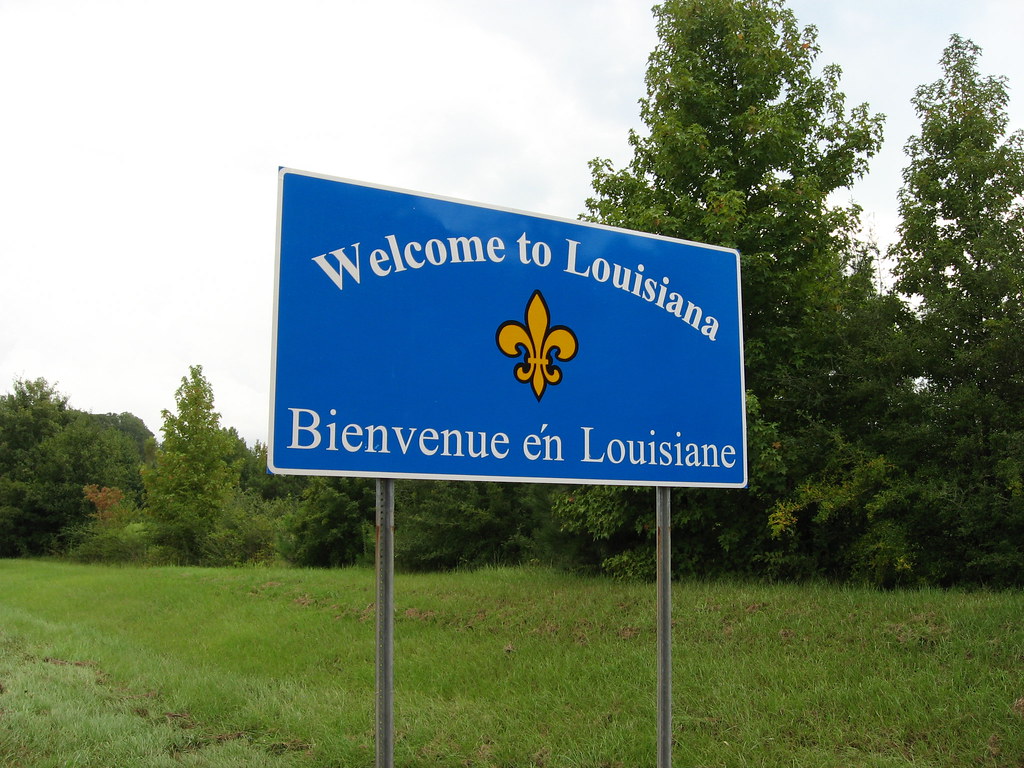
LOUISIANA IS THE UNMATCHED PARADOX IN THE KNOWN UNIVERSE.
Louisiana is home to many peoples, creatures, and things. Growing up in Louisiana, you learn that this place isn’t just a state—it’s a living, breathing mosaic of culture, history, and natural wonder. Each corner of Louisiana tells a story, and it’s not just any story; it’s a narrative shaped by centuries of diversity, resilience, and celebration. From its unique geography to its world-renowned cultural traditions, Louisiana stands apart in the American experience.
A Geography Like No Other
Louisiana’s geography is a defining feature, with its low-lying terrain interspersed with rivers, bayous, wetlands, and deltas. The Mississippi River, one of the world’s mightiest waterways, carves its path through the state, delivering rich silt and creating fertile lands that have sustained life for thousands of years. This network of water systems has made Louisiana one of the most biodiverse states in the U.S., home to species that thrive in the wetlands, like alligators, herons, and crawfish.
However, this geography is a double-edged sword. Living in Louisiana means contending with the ever-present threat of hurricanes, flooding, and land subsidence. Communities here are deeply connected to their environment, not just for its beauty and bounty but also for its challenges. The efforts to preserve wetlands and manage the Mississippi’s natural course reflect Louisiana’s commitment to sustaining its unique landscape.
A History of Convergence
Few states in the U.S. can claim a history as complex and layered as Louisiana’s. Its story is one of convergence—Native American tribes like the Houma and Chitimacha first lived here, creating sophisticated societies long before Europeans arrived. The French claimed the territory in 1682, naming it after King Louis XIV, and Louisiana was later governed by Spain before becoming part of the United States in the Louisiana Purchase of 1803.
This history of colonial rule, trade, and migration brought together people from diverse backgrounds: French settlers, Spanish administrators, enslaved Africans, and later, Acadians expelled from Canada. This blend of cultures laid the foundation for Louisiana’s most famous cultural traits: its language, cuisine, and traditions.
A Linguistic and Cultural Melting Pot
Step into any part of Louisiana, and you’ll hear a unique mix of languages—English, French, Spanish, and even Creole. The Cajun French spoken in rural areas reflects the resilience of Acadian settlers, while Creole languages bear the marks of African, French, and Spanish influences. This linguistic diversity mirrors Louisiana’s cultural depth.
The state’s music scene is legendary, with jazz born in the streets of New Orleans and zydeco rising from rural Creole communities. Louisiana is also synonymous with brass bands, blues, and swamp pop. These sounds are not just entertainment; they are expressions of identity and storytelling.
Then there’s the food—arguably the state’s most famous export. Louisiana cuisine combines French, African, Spanish, and Native American influences into a culinary experience unmatched anywhere else. Dishes like gumbo, jambalaya, crawfish étouffée, and beignets are not just meals—they’re cultural artifacts passed down through generations. The use of locally available ingredients like rice, seafood, and spices reflects both the ingenuity and the resourcefulness of its people.
Festivals and Celebrations: A Way of Life
If there’s one thing Louisiana knows how to do, it’s celebrate. Mardi Gras is the crown jewel of the state’s festive traditions, an explosion of parades, music, and revelry that dates back centuries. But Louisiana’s love of celebration doesn’t end with Mardi Gras. The state hosts hundreds of festivals each year, from the Crawfish Festival in Breaux Bridge to the Jazz & Heritage Festival in New Orleans. Each event showcases a piece of Louisiana’s cultural puzzle, whether it’s food, music, or history.
These celebrations serve as a unifying force in Louisiana’s communities. They bring people together—regardless of background—to honor shared traditions. They also reflect the state’s ethos of joie de vivre, or joy of living, a spirit that seems to permeate every aspect of life here.
A Complicated Relationship with the Past
While Louisiana is a state of joy and celebration, its history also bears the weight of injustice and struggle. The legacy of slavery is deeply embedded in Louisiana’s story, from the plantations along the Mississippi River to the contributions of enslaved people to the state’s agriculture, cuisine, and architecture. Sites like Whitney Plantation now serve as reminders of this painful history, offering spaces for reflection and education.
Racial tensions have persisted throughout Louisiana’s history, from Reconstruction-era conflicts to the Civil Rights Movement. Yet, the state has also been a place of resilience and activism, producing leaders like Ruby Bridges and shaping the fight for equality. The cultural richness of Louisiana today owes much to the contributions of African Americans, Creoles, and other marginalized groups who have persisted in the face of adversity.
Modern Challenges and Resilience
Living in Louisiana today means navigating a complex web of challenges and opportunities. Climate change is an existential threat, with rising sea levels and more frequent hurricanes posing risks to homes, industries, and ecosystems. The loss of wetlands—often described as the state’s first line of defense against storms—has been alarming, prompting massive restoration efforts.
Economically, Louisiana is a study in contrasts. The state remains a hub for industries like oil and gas, agriculture, and tourism. At the same time, it struggles with poverty and unequal access to resources. Yet, the resilience of Louisianans is unmatched. Communities rally together in the face of disasters, finding strength in their shared history and cultural pride.
Education and Preservation
One of the most promising aspects of Louisiana’s future is its focus on education and cultural preservation. Universities like Louisiana State University (LSU) and Tulane University not only contribute to academic and economic growth but also serve as centers for preserving the state’s unique heritage. From studying wetland ecosystems to documenting oral histories, these institutions play a crucial role in ensuring Louisiana’s story continues to be told.
Preservation efforts extend to architecture and the arts. Historic neighborhoods like the French Quarter in New Orleans and plantation homes along the Great River Road are carefully maintained. Museums and cultural organizations celebrate everything from jazz to Creole cuisine, ensuring future generations understand and appreciate Louisiana’s contributions to American culture.
A Sense of Belonging
To be from Louisiana is to feel a profound connection to place. It’s a connection to the smell of magnolias on a warm spring evening, the sound of a brass band marching through the streets, and the taste of crawfish boiled to perfection. It’s a connection to ancestors who built homes on stilts to survive floods and who found ways to thrive in a land of challenges.
Louisiana is not perfect. It wrestles with its past and its present, with issues of inequality, environmental fragility, and economic disparity. But what makes Louisiana unique is its ability to face these challenges while holding on to its identity, its creativity, and its joy