A Time Capsule of Style and Change
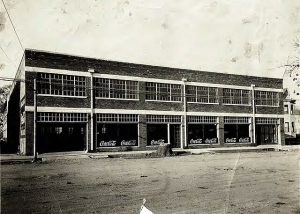
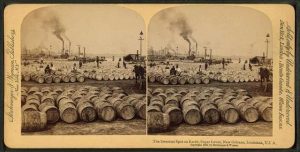
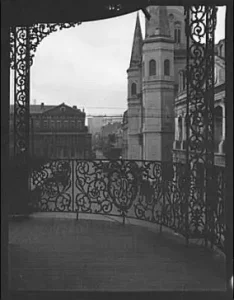
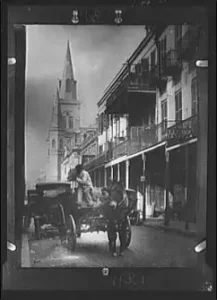
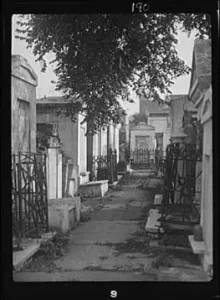
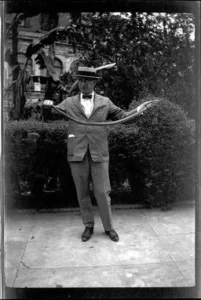
Louisiana in the 1920s and the fashion of the 1920s mirrored national trends, with flapper dresses, straw hats, and pinstripe suits making their way from department stores to Southern streets. Jazz culture and Harlem Renaissance influences permeated the state’s creative scene. At the same time, Louisiana held tightly to its unique cultural blend—French, Spanish, African, and Native traditions all coexisted in a vibrant mix. Through photography and early film, we see this cultural crossroads unfold frame by frame—a true time machine into a decade of transformation.











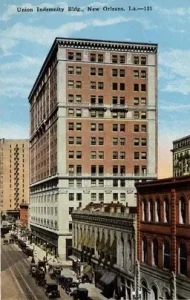

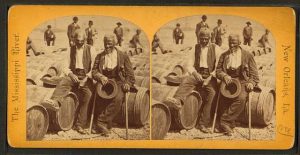
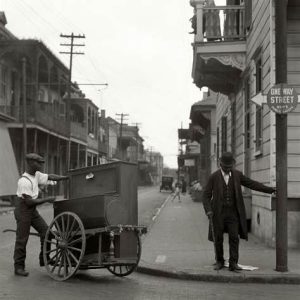



Government and Politics in 1920s Louisiana
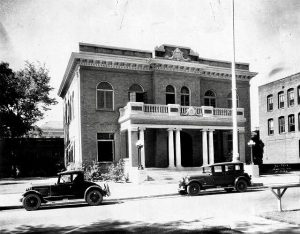
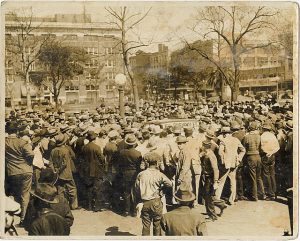
In the 1920s, Louisiana’s political scene was a mix of traditional Southern values and the beginnings of reform. The decade marked the rise of influential figures, notably Huey P. Long, who would later become governor and a national political force. The state government was often dominated by rural interests and entrenched political machines, particularly in New Orleans, where the Old Regular political organization held sway. Corruption was commonplace, and patronage shaped many aspects of governance. Still, there were early signs of transformation, with infrastructure development and calls for modernization gaining traction by the end of the decade.
Daily Life and Culture
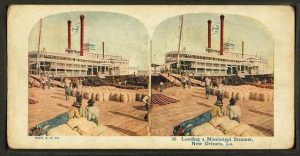
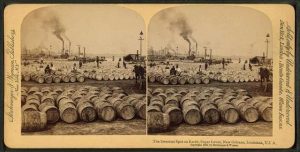
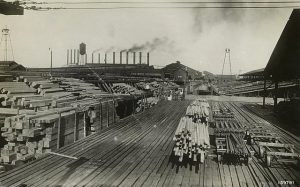
Life in 1920s Louisiana was deeply rooted in agriculture, family, and tradition. The economy was largely rural, with cotton, sugarcane, and timber industries supporting much of the population. In towns and cities, jazz music filled the streets, particularly in New Orleans, where artists like Louis Armstrong were revolutionizing American sound. The Prohibition era brought speakeasies and underground bars, especially in urban centers, where bootleg liquor and jazz created a lively, though risky, nightlife. Meanwhile, in Cajun and Creole communities, French culture remained strong, influencing food, music, and dialect.
Cameras and Filming Styles of the Era
Photography in the 1920s was evolving rapidly. The Kodak Brownie camera, introduced earlier, remained popular for amateur photography due to its affordability and ease of use. Glass plate negatives were being phased out in favor of roll film, making photography more accessible. In film, silent movies dominated, shot with hand-cranked cameras like the Bell & Howell 2709. Newsreels and early documentary footage captured daily life, parades, and political speeches across Louisiana. These visuals, often in black and white, gave us a raw yet intimate glimpse into the decade, preserving a time when technology began to reshape memory.
History in this Moment
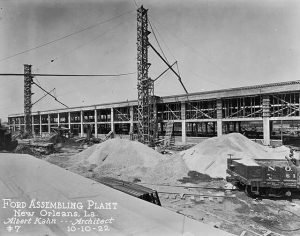
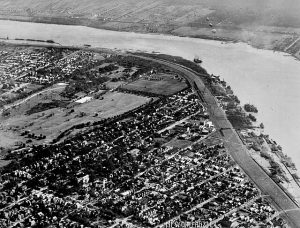
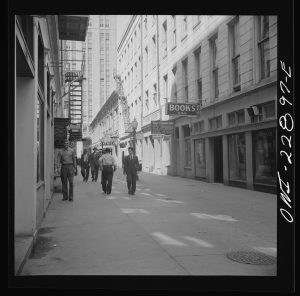
The 1920s were marked by both progress and tension in Louisiana. The Great Mississippi Flood of 1927 devastated communities along the river, especially in the Delta regions, displacing thousands and prompting national relief efforts. This catastrophe revealed deep racial and economic inequalities, as many Black residents were forced to remain in flood camps under harsh conditions. Meanwhile, the expansion of railroads and highways began connecting rural Louisiana to the broader American economy. Educational reform and public health campaigns also gained momentum during this time, though often unevenly across racial lines.
- How to Catch the Irish Italian Parade in 2026

- How to Save $20,000+ on Your Wedding: Why Smart Couples Are Choosing Small Weddings and Epic Honeymoons Instead
- How to College in Louisiana the Smart & Efficient Way
- When and Where To Catch A Mardi Gras Parade in New Orleans
- What is Operation Swamp Sweep in New Orleans?
- How to Write Your Own Will for Free in Louisiana