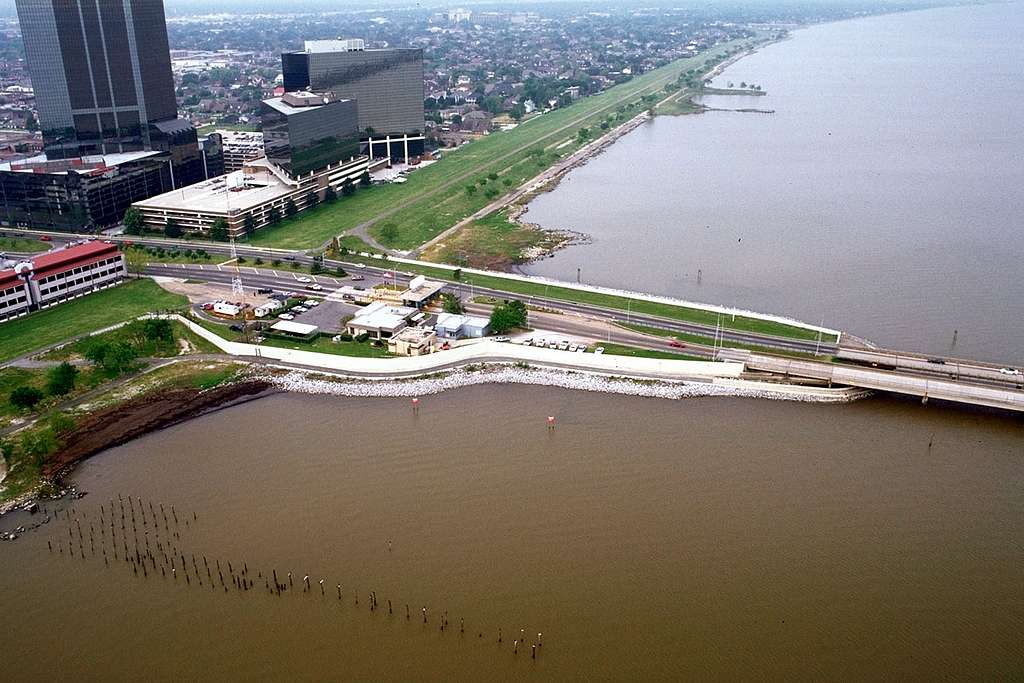
Stretching across the olive green and blue waters of Lake Pontchartrain, the Causeway Bridge is more than just a marvel of engineering—it’s a Louisiana icon. As one of the longest bridges in the world over water (Record Holder), the Causeway represents the ingenuity, resilience, and spirit of the people who call Louisiana home. In this article, we’ll explore the bridge’s history, its developers and owners, some surprising fun facts, tragic incidents, controversies, and its profound impact on the region.
The Lake Pontchartrain Causeway isn’t just a bridge—it’s a testament to Louisiana’s innovation and resilience. From its historic opening in 1956 to its current status as a global engineering marvel, the Causeway continues to connect, inspire, and serve. While it has faced controversies and challenges, its impact on the region is undeniable, making it an enduring symbol of progress.
Whether you’re a daily commuter, a curious tourist, or simply a lover of great engineering feats, the Causeway Bridge stands as a remarkable chapter in Louisiana’s story.

A Quick History of the Causeway Bridge
The Lake Pontchartrain Causeway, often simply called the “Causeway,” was born out of necessity. By the mid-20th century, the rapidly growing communities on the north and south shores of Lake Pontchartrain faced significant challenges in connectivity. Before the bridge, commuters had to endure lengthy drives around the lake or rely on ferries. Recognizing the economic and logistical benefits of a direct route, plans for the bridge were set into motion.
The first span of the Causeway opened on August 30, 1956, spanning approximately 23.83 miles and instantly connecting Metairie on the south shore to Mandeville on the north shore. A second, parallel span was completed in 1969, transforming the bridge into the dual-span structure we know today.
The design—simple yet effective—was groundbreaking. Supported by over 9,500 concrete pilings, the Causeway offered an uninterrupted route across the lake, redefining transportation in the area.
Who Owns and Operates the Causeway?
The Causeway Bridge is owned and managed by the Greater New Orleans Expressway Commission (GNOEC), a body responsible for its maintenance, upgrades, and daily operations. Revenue generated from tolls helps fund these efforts. Originally, tolls were collected in both directions, but today, drivers only pay when traveling southbound, making the commute slightly more convenient.
Facts About the Causeway Bridge
- World Record Holder: For decades, the Causeway held the Guinness World Record for the longest continuous bridge over water. Though a Chinese bridge (Danyang–Kunshan Grand Bridge) surpassed it in total length, the Causeway still holds the title for the longest bridge over a single water body.
- Length Matters: The two spans differ slightly in length. The original bridge is 23.83 miles, while the newer span measures 23.87 miles—a tiny difference, but one worth noting.
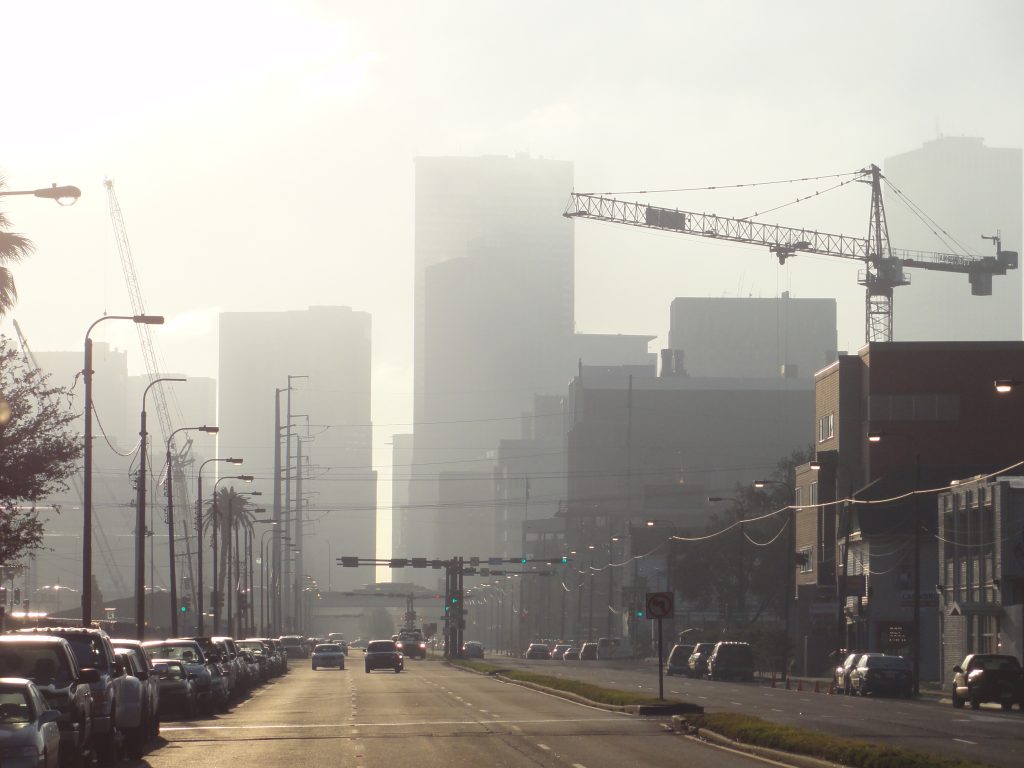
- Frequent Fog: The Causeway’s location means it is often shrouded in fog, requiring specialized lighting and safety measures. Fog-related closures and accidents are common, leading to significant safety investments over the years.
- Safety Innovations: The bridge is equipped with call boxes and safety bays every few miles, allowing stranded motorists to pull over and seek help.
- A Driving Challenge: For some, the sheer length of the Causeway—combined with the lack of scenery other than water—can cause anxiety or vertigo. As a result, some commuters hire “Causeway driving services” to get them across.
Tragic Incidents and Controversy
While the Causeway has transformed transportation in Louisiana, it hasn’t been without tragedy. Over the years, numerous accidents have occurred, many involving vehicles plunging into the lake. These incidents have sparked debates about bridge safety.
- Accidents and Fatalities: Since its opening, the Causeway has seen several fatalities. One of the most common causes is drivers losing control and crashing into the low guardrails, which are only 36 inches high in some sections. To address this, higher rails have been installed in recent years.
- Fog-Related Crashes: Dense fog can reduce visibility to near zero, leading to pileups. In December 2024, a multi-vehicle crash caused by heavy fog involved nearly 50 cars, injuring dozens and prompting the bridge’s temporary closure.
- Motorcycle Ban: The Causeway prohibits motorcycles, citing safety concerns due to crosswinds, narrow lanes, and the bridge’s unique design. This policy has drawn criticism from motorcycle enthusiasts but remains in place to minimize risks.
- Toll Controversies: While tolls are necessary for upkeep, some commuters argue they are too high, especially given the volume of daily traffic. The GNOEC has countered these claims by pointing to the extensive maintenance required for a bridge of this scale.
Economic and Cultural Impact
The Causeway Bridge has profoundly impacted Louisiana, serving as a vital economic and cultural link between the north and south shores of Lake Pontchartrain.
- Economic Growth: The bridge has fueled the development of suburbs like Mandeville and Covington, transforming them into thriving communities. It has also facilitated commerce, making it easier for businesses to operate across the region.
- Commuter Convenience: For thousands of commuters, the Causeway is a lifeline, reducing travel times significantly. What once took hours by ferry or by driving around the lake now takes less than an hour.
- Tourism Boost: As a Louisiana landmark, the Causeway attracts visitors eager to experience the drive. Its status as a world record holder adds to its allure.
The Lake Pontchartrain Causeway remains a vital piece of infrastructure, but its challenges persist. Regular maintenance, safety upgrades, and innovations like adaptive lighting systems ensure it stays reliable. However, the bridge also serves as a reminder of the delicate balance between progress and safety. As the population continues to grow, the Causeway will remain an essential artery in Louisiana’s transportation network.