The 1970s marked a decade of transformation and complexity for Louisiana, as the state navigated a shifting cultural, economic, and political landscape. Louisiana faced both progress and setbacks during these ten pivotal years. Read more about it following the gallery images.
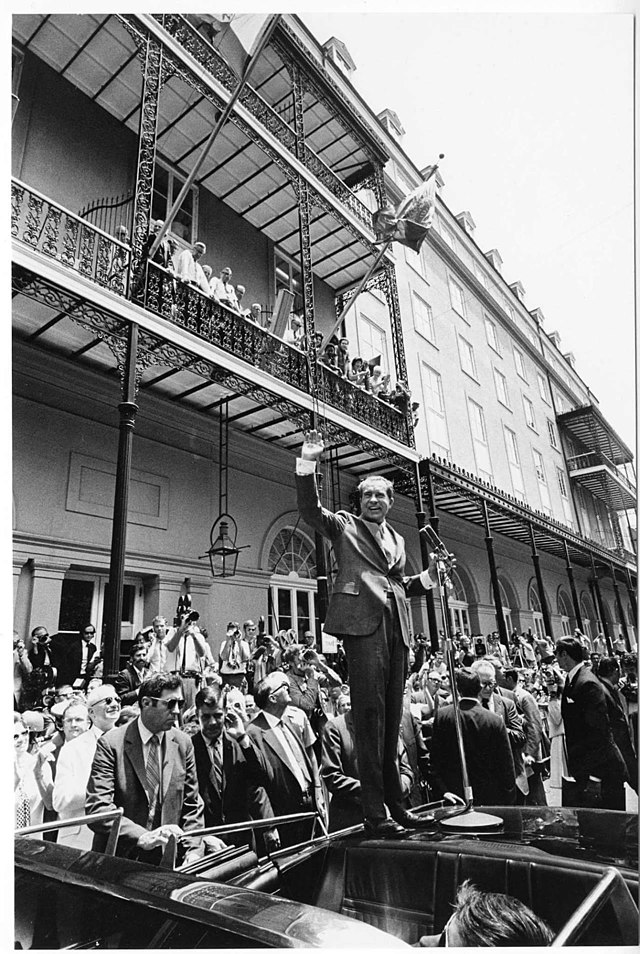
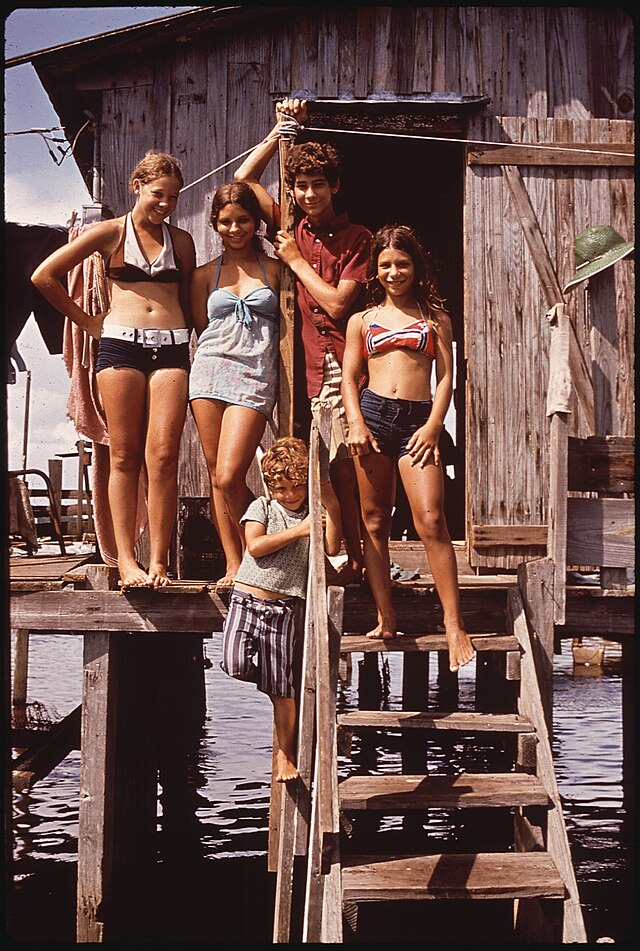
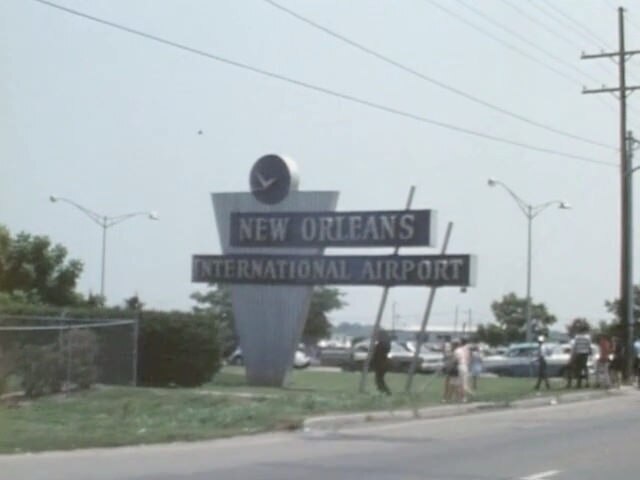
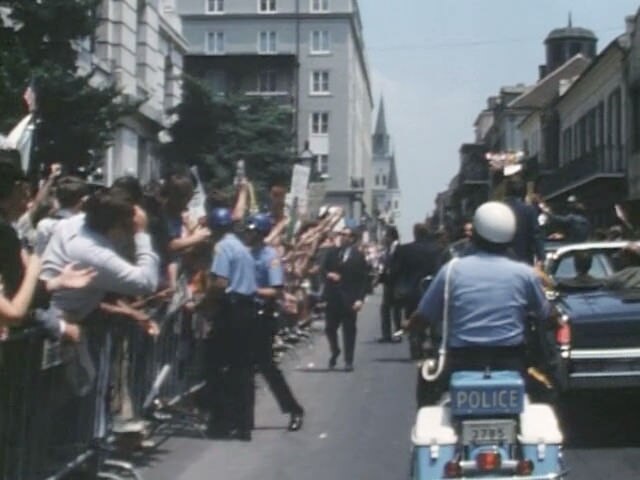
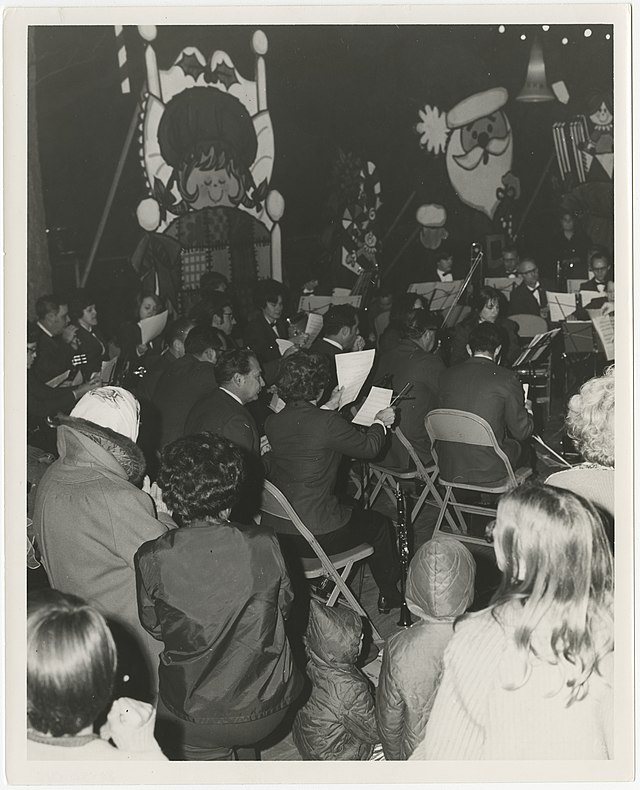

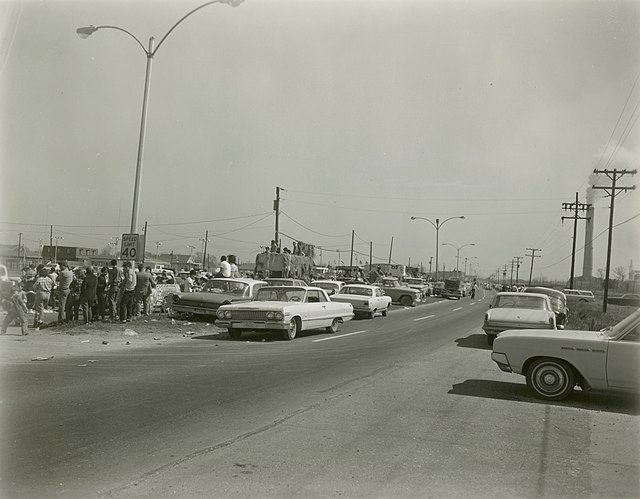
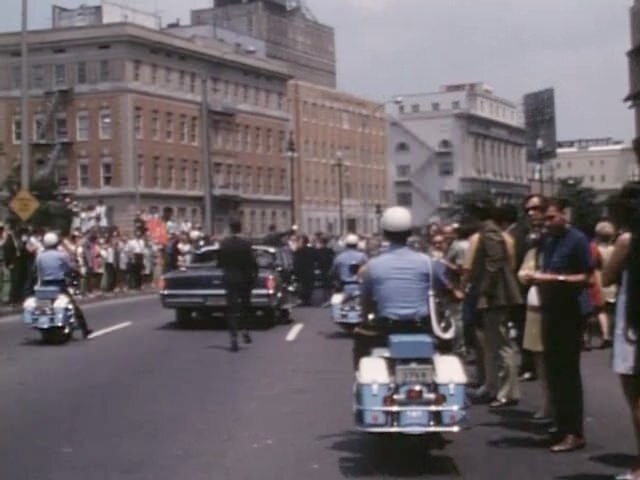
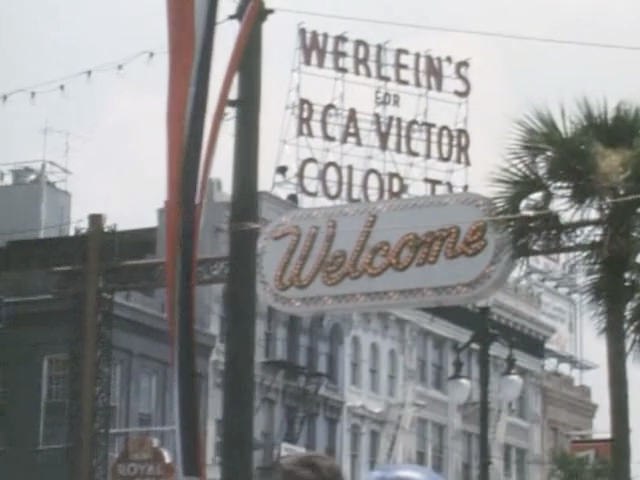
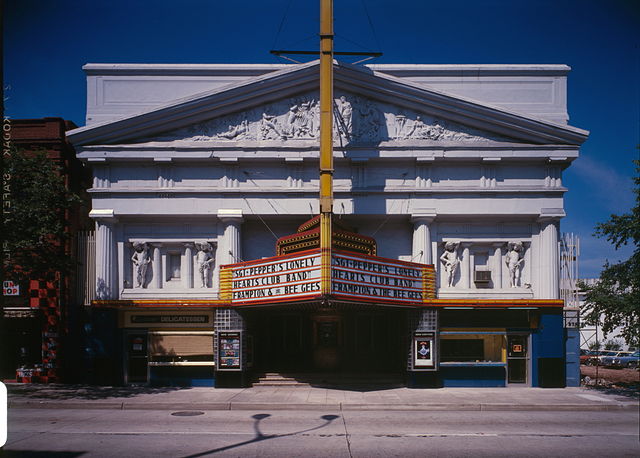
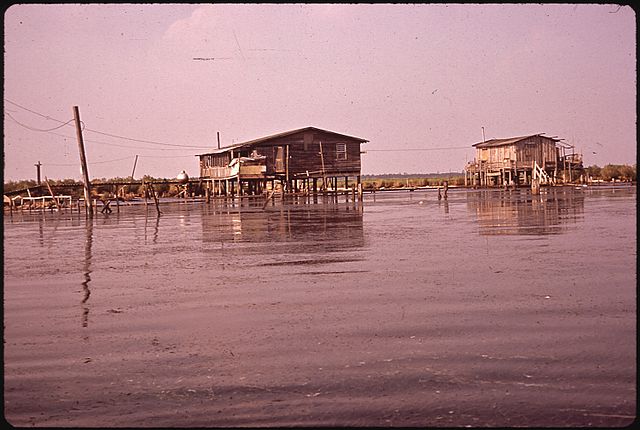
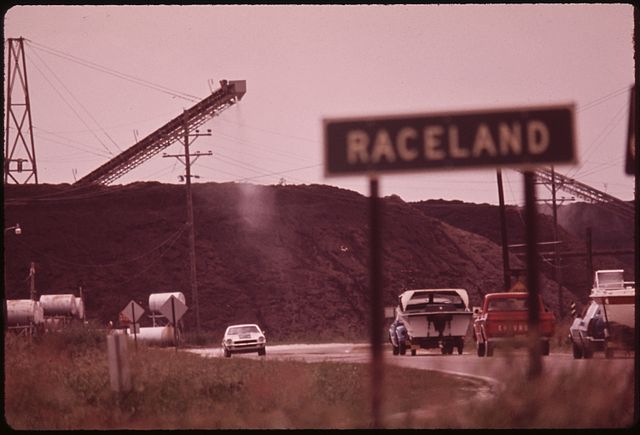

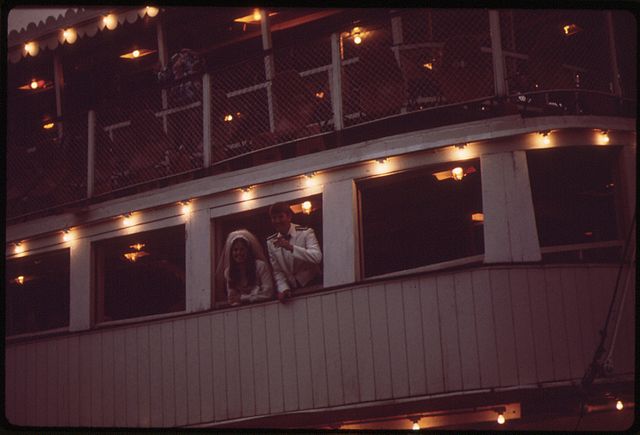
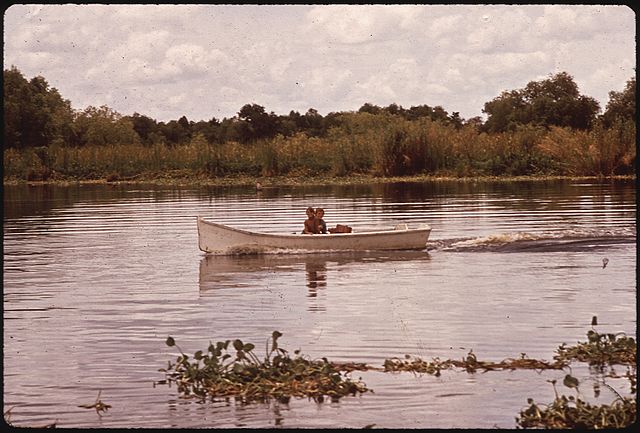



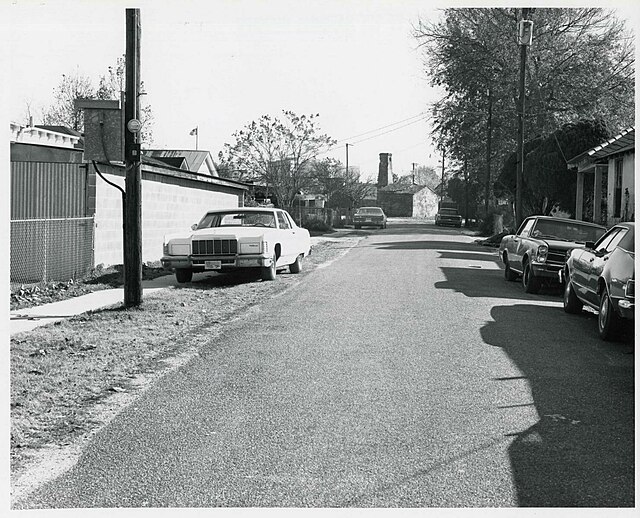
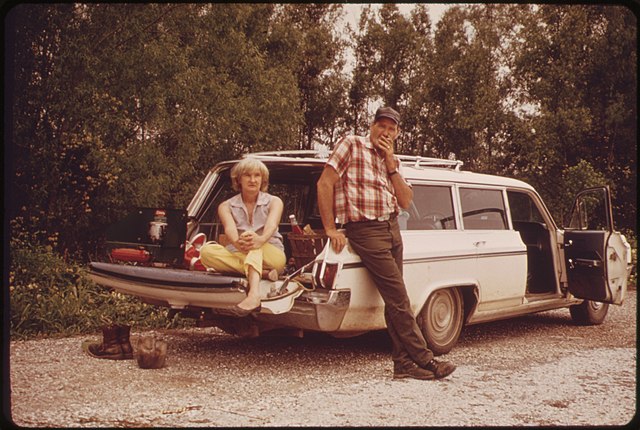
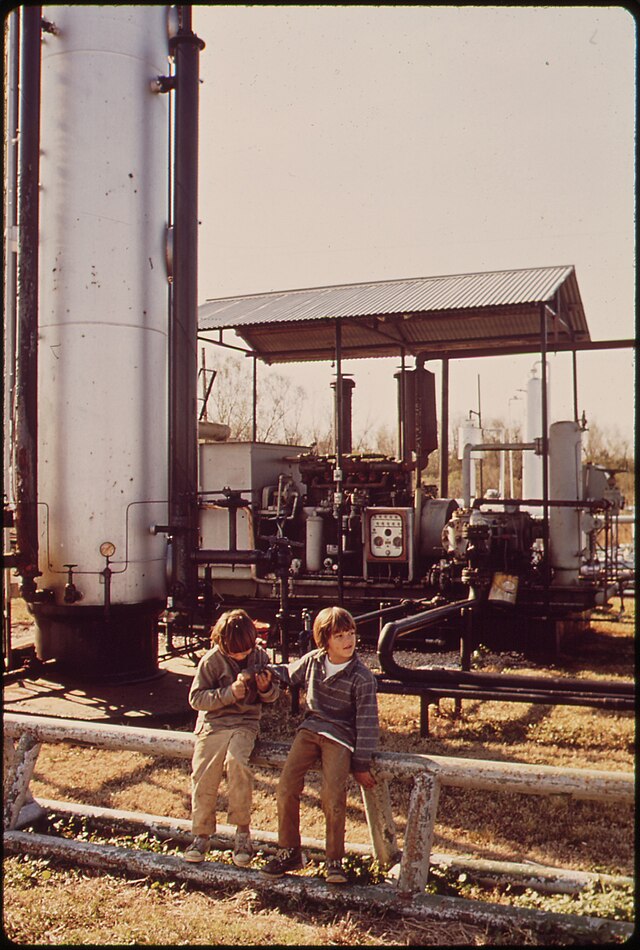
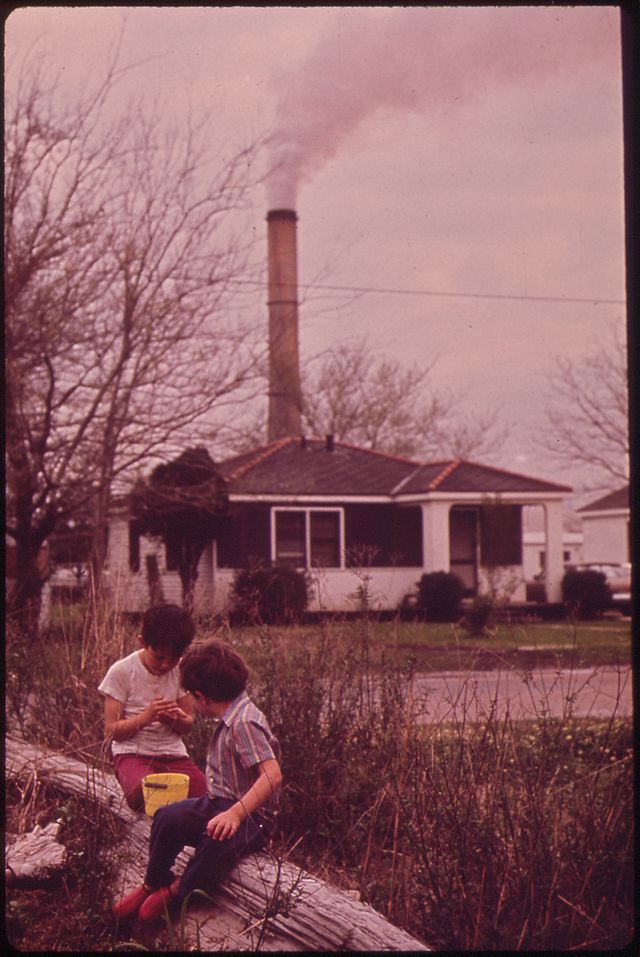
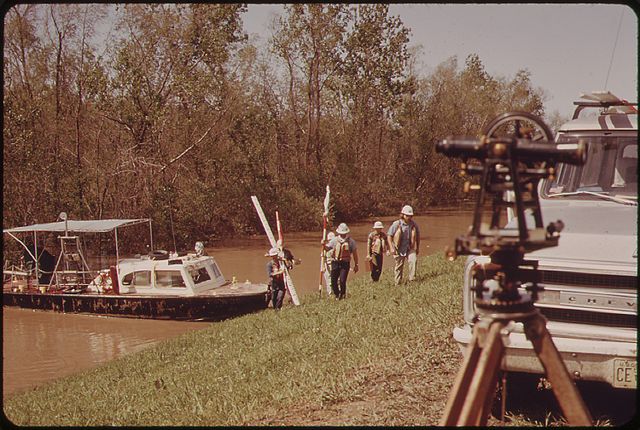
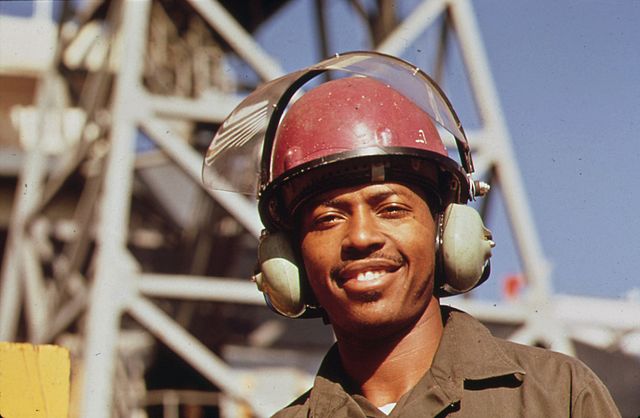
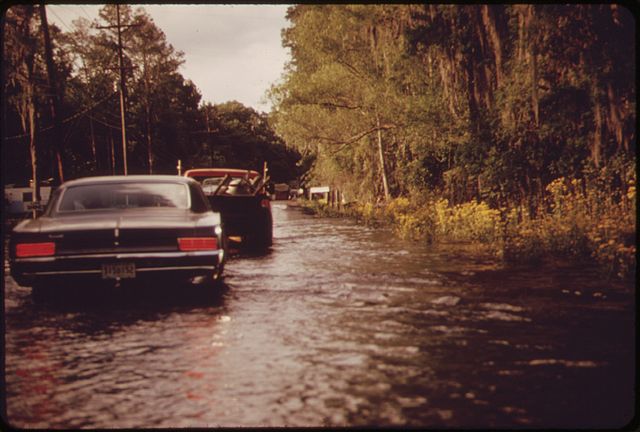

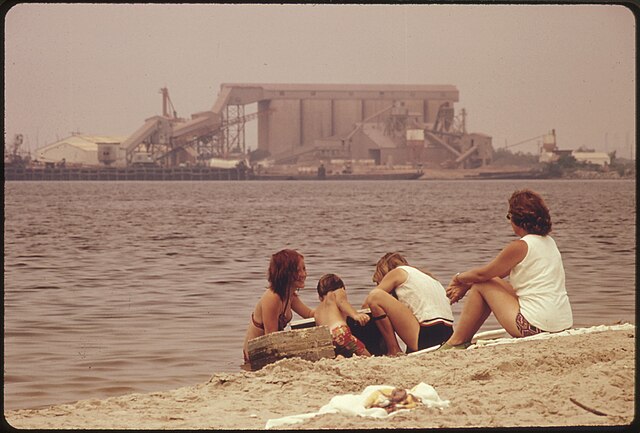
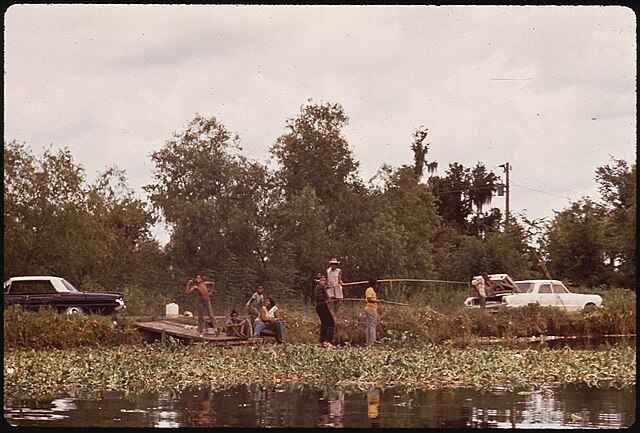


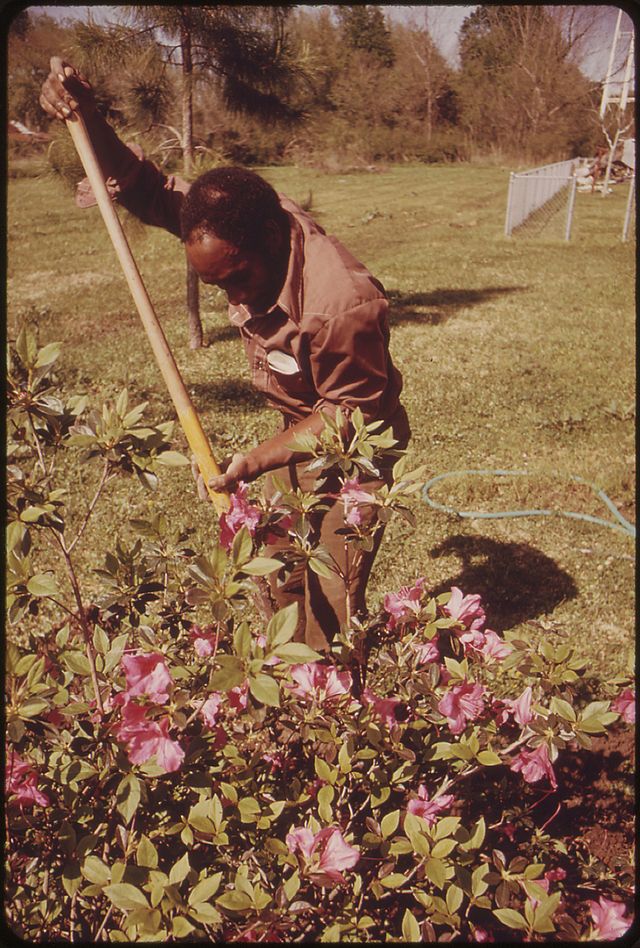
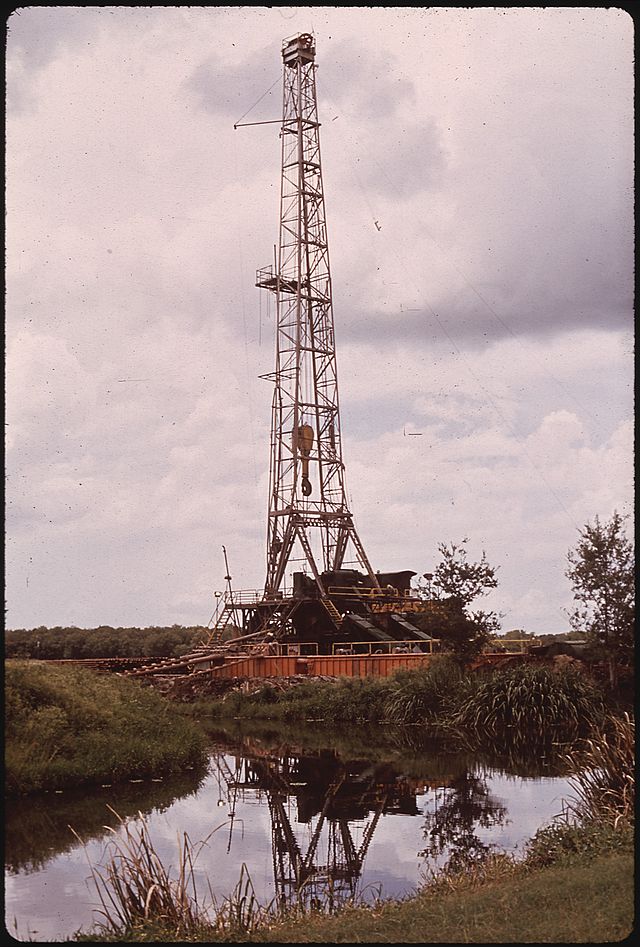
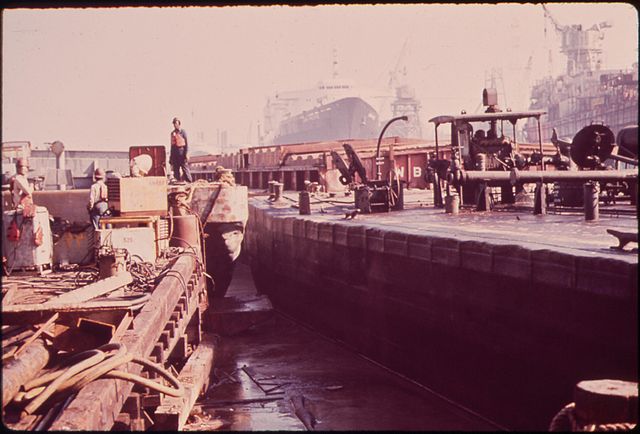
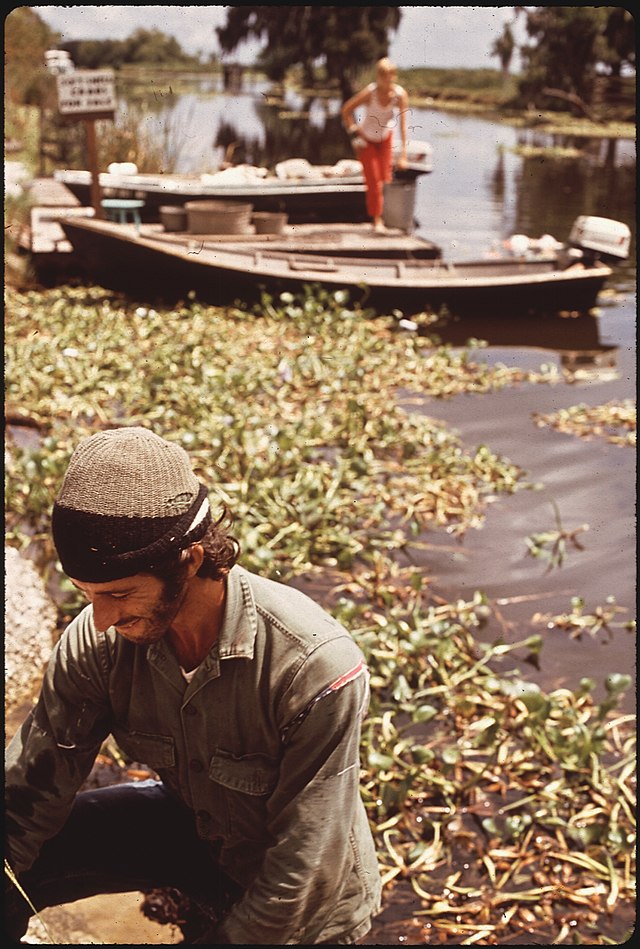
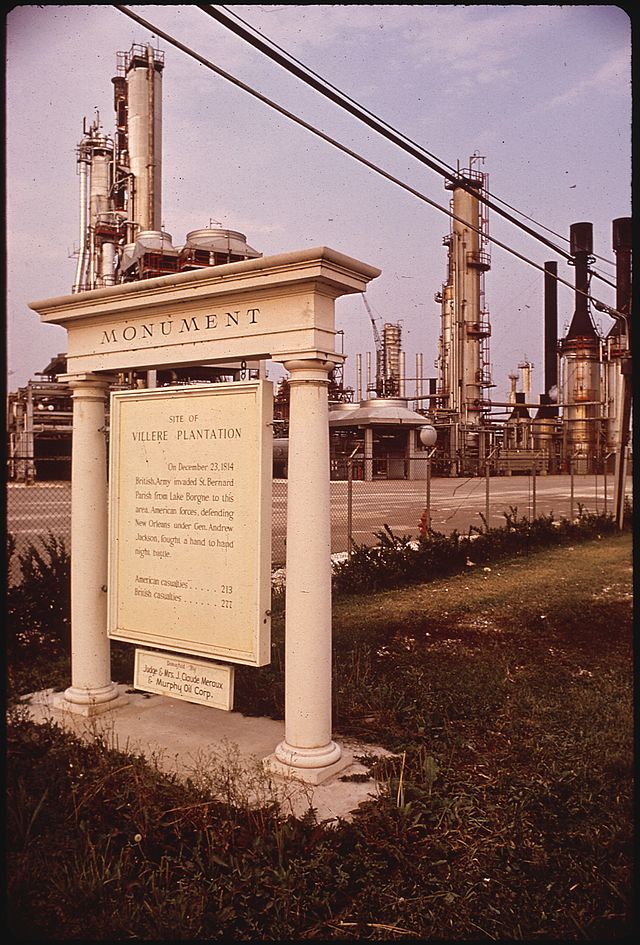
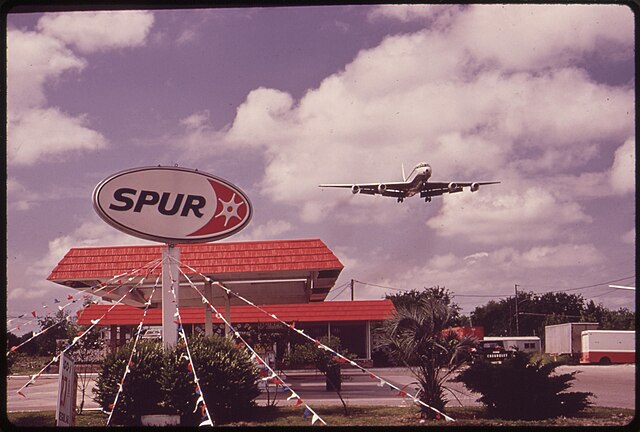
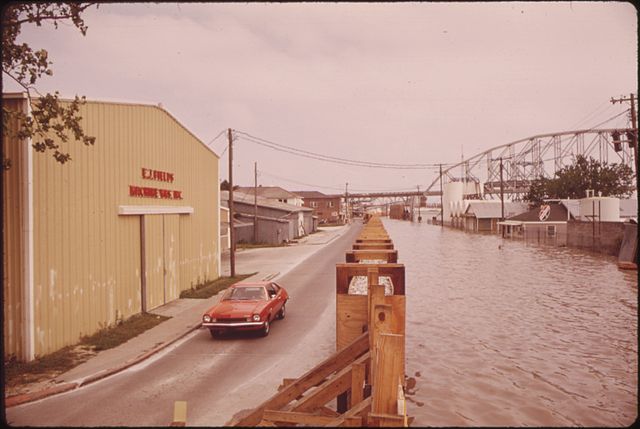
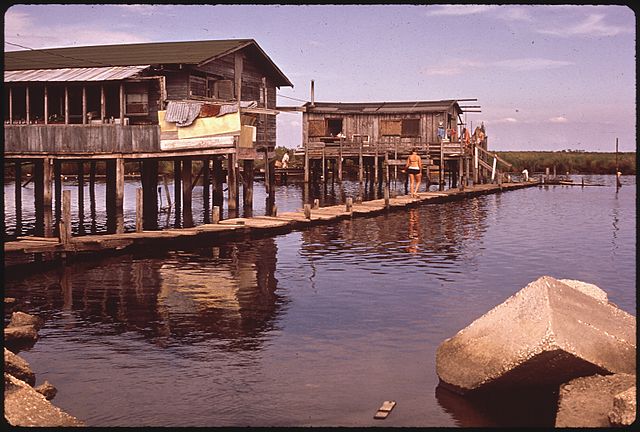
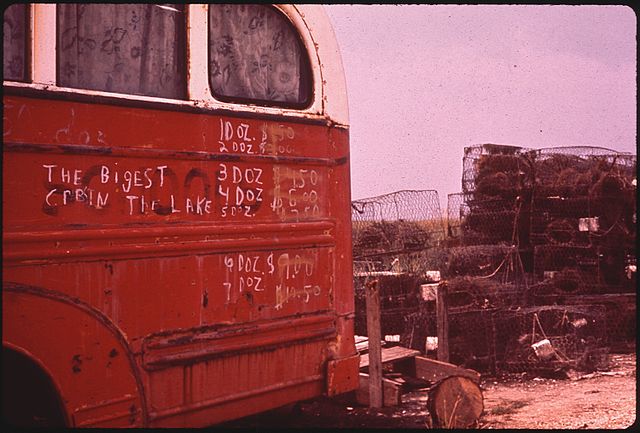

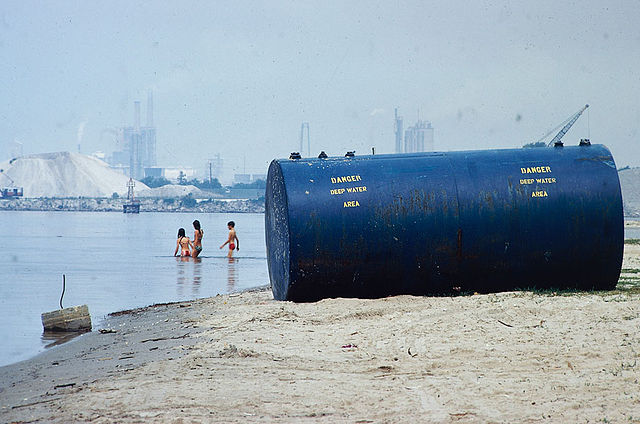
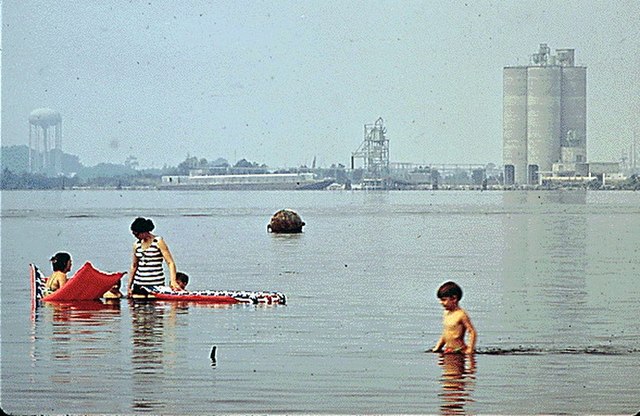
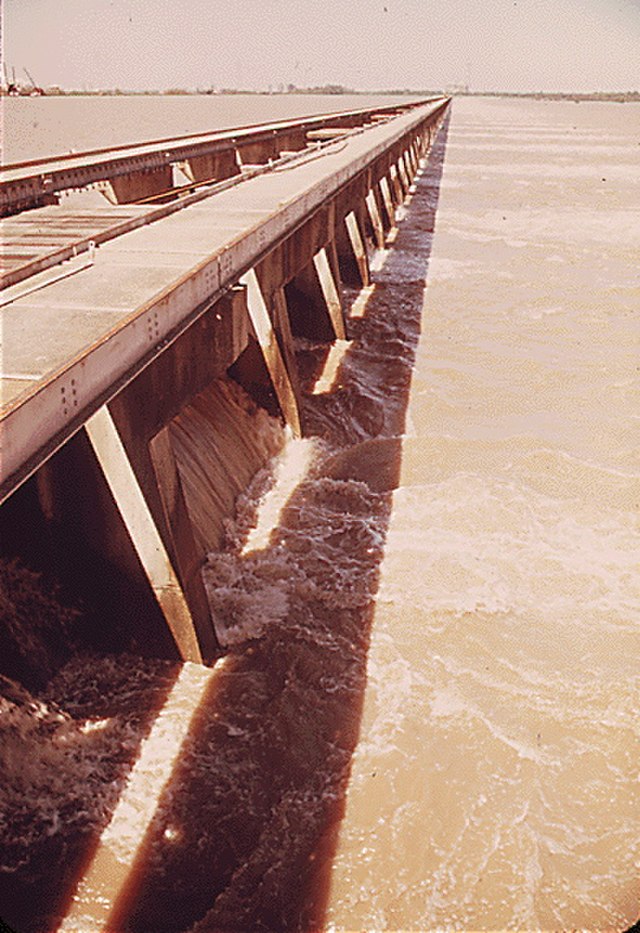
Economically, Louisiana experienced significant growth fueled by the oil and gas industry. Offshore drilling expanded rapidly in the Gulf of Mexico, bringing jobs and economic prosperity to cities like Houma, Lafayette, and Lake Charles. The industry’s boom created wealth and modernized infrastructure, but it also came with environmental costs. Coastal erosion worsened as wetlands were dredged to accommodate pipelines and facilities, threatening Louisiana’s natural defenses against hurricanes. The environmental impact of this development became a growing concern as the decade progressed.
Culturally, the state remained a vibrant blend of Cajun, Creole, and Southern traditions, but it also began to reflect the broader national trends of modernization and integration. The civil rights movement had made significant strides in the 1960s, and by the 1970s, Louisiana was working to implement school desegregation and improve racial equality. However, progress was uneven, and resistance to integration persisted in some areas, highlighting the deep-seated challenges of social reform.
Politically, Louisiana saw the rise of Edwin Edwards, a charismatic and controversial figure who served as governor for much of the decade. Edwards championed economic development and education reform, promoting a vision of modernization for the state. His tenure also underscored Louisiana’s reputation for political theater and corruption, as accusations of impropriety often clouded his administration. Despite these controversies, Edwards remained a popular figure, embodying the blend of pragmatism and flamboyance that characterized Louisiana politics.
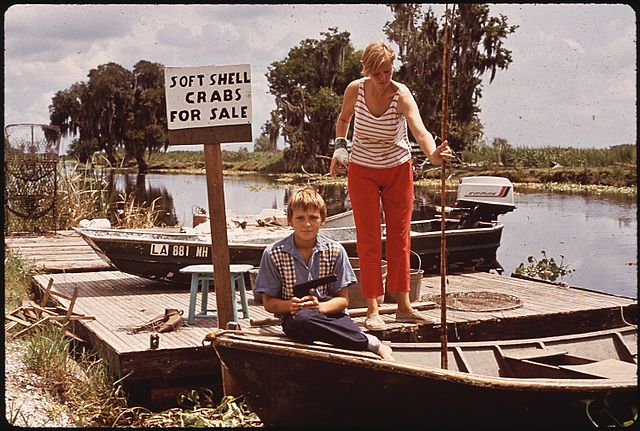
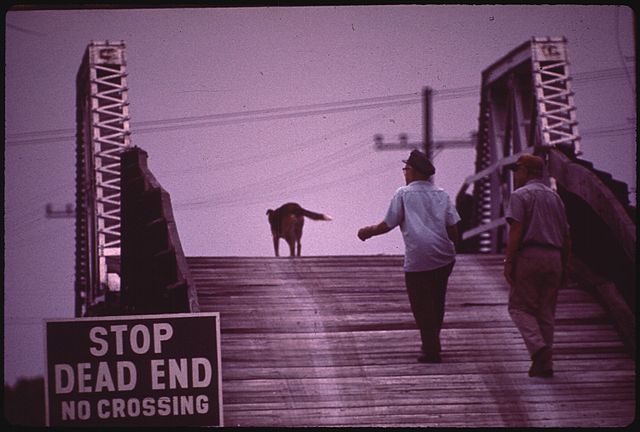
Socially, the 1970s brought change to urban and rural areas alike. Cities such as New Orleans and Baton Rouge grew as centers of commerce and culture, while rural Cajun and Creole communities maintained their distinct identities. The resurgence of Cajun music and dance in the national spotlight, spurred by cultural preservation efforts, highlighted the state’s rich heritage. However, poverty and lack of access to resources remained challenges in many rural areas, where economic growth was less pronounced than in urban centers.
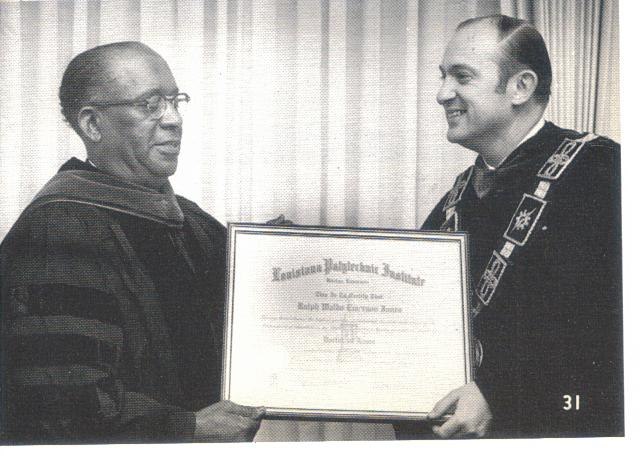
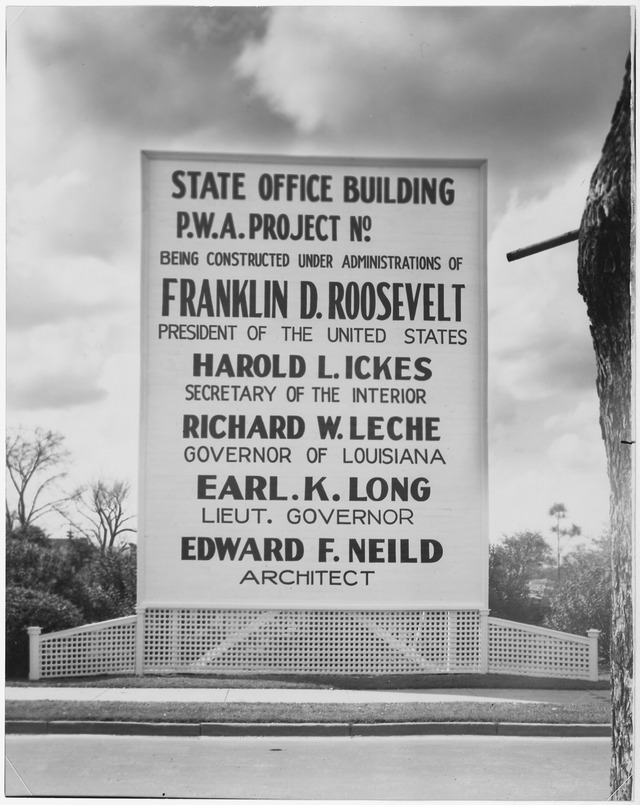
Education and public infrastructure also underwent changes during the decade. Louisiana invested in public schools and universities, aiming to improve educational outcomes and workforce development. However, the state’s reliance on oil revenues made its economy vulnerable to fluctuations in global oil prices, which posed risks to long-term stability.